





Your Premium facial cleansers Partner
Turnkey OEM/ODM Solutions for Seamless Brand Creation

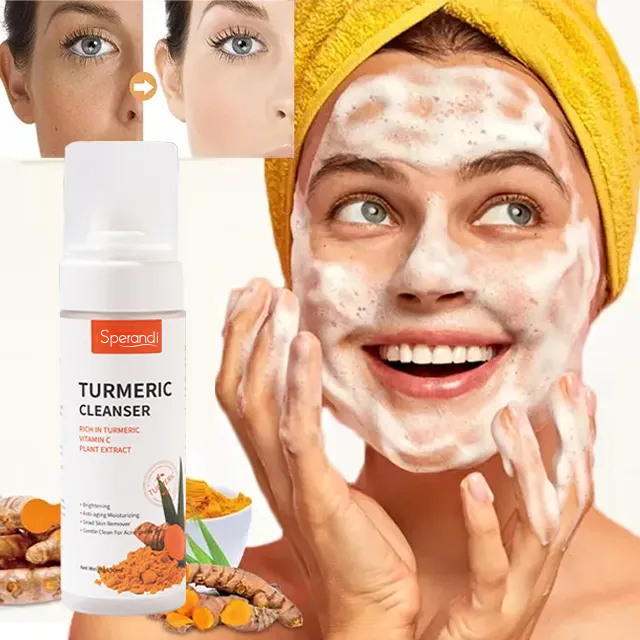
OEM/ODM Facial Cleansers: Where Professionalism Meets Unique Formulations
Over 10,000 mature formulas are available for your selection. We can fine-tune the fragrance, texture, skin feel and efficacy to meet your specific needs, creating a unique formula exclusive to you. Every formula is market-tested and proven.
Balm Cleanser |
Cream Cleanser |
Foaming Cleanser |
Gel cleanser |
Milk Cleanser |
Oil Cleanser |
Powder Cleanser |
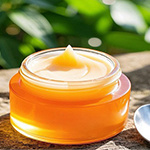
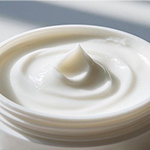
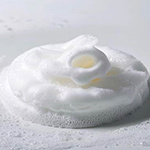
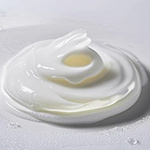
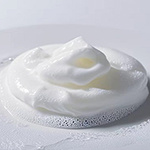

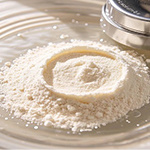
Once the Formula's Chosen, We've Got the Rest Covered!
Tailored for OEM/ODM clients, we offer a one-stop service. Our expert team designs products to match market trends and your brand. We carefully source packaging materials for quality and appeal. With a reliable logistics network, we ensure timely delivery. Just tell us your needs, and we'll make it happen.
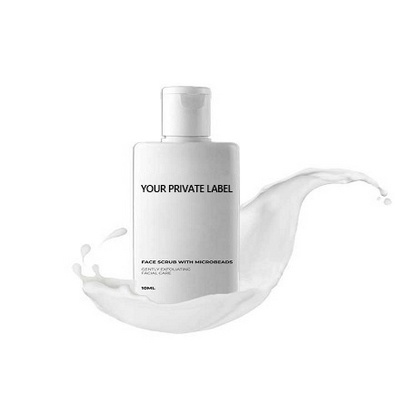
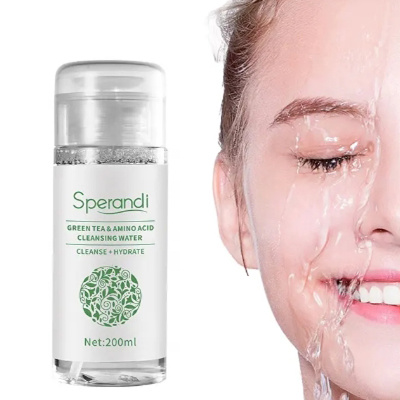
Exfoliating Gel Cream |
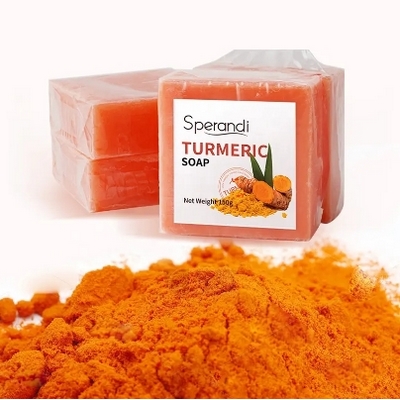
Cleansing Turmeric Soap |
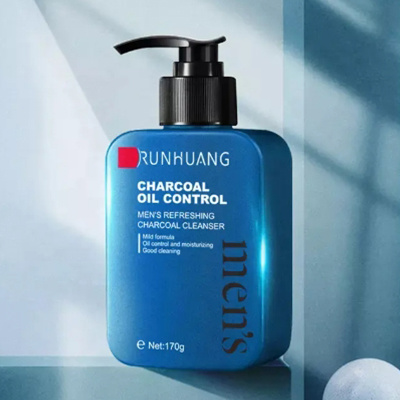
Anti Acne Cleanser |
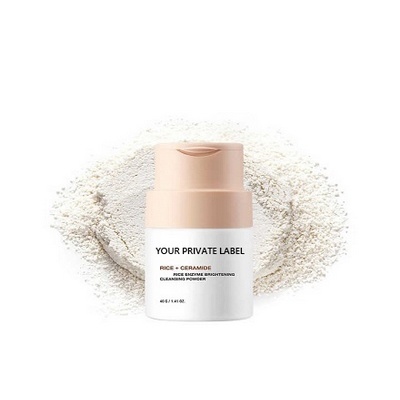
Blackhead Cleansing Powder |
Aloe Vera Milk Cleanser |
Argan Oil Makeup Remover |
Gentle Makeup Remover |
Natural Makeup Remover Balm |
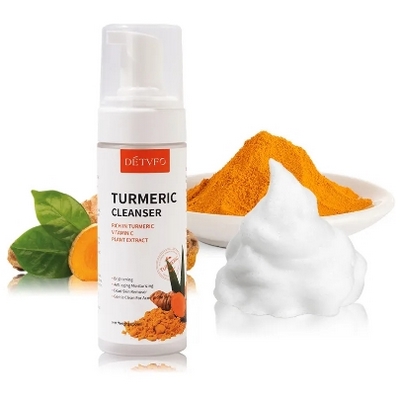
Turmeric Cleansing Mousse |


About Yunmei
Yunmei was founded in 2005, focusing on OEM/ODM one-stop service, to provide global users with safe and efficient efficacy skin care products. 20+ years of research and development, 30+ patented technologies, 92% efficacy verification pass rate, 30000㎡ smart factory through the United States GMPC and the EU ISO double certification. Shiseido expert team technical support, serving 180+ countries worldwide. Guangdong High-tech Enterprise certification, to provide you with safe, efficient, reliable skin care products.
Planning
Proposal
Trial production
Formulation determination
Quotation
Order
Manufacturing
Delivery
Your Premium facial cleansers Partner
Types of Facial Cleansers
What to Consider When Buying a Facial Cleanser
Types of Facial Cleansers
Surfactants in facial cleansing products can make the skin tight, rough and irritating. According to the type of surfactant, facial cleansers are divided into soap-based and amino acid-based cleansers. There are also APG cleansers and SLS/SLES cleansers.
Amino Acid Cleansers
Cleansers containing amino acid surfactants are usually called acid = fatty acid (lauric acid, myristic acid, stearic acid) amino acid cleansers. Suitable for all skin types, sensitive skin, and red blood streaks. The pH value of amino acid facial cleansers is close to that of human skin, so they are more skin-friendly. Mildness and cleansing power are both online, with a certain moisturizing effect, and no tightness after washing.
Soap-based Facial Cleansers
Soap-based facial cleansers refer to cleansing products that use soap-based surfactants. Soap-based raw materials are cheap and are often used in the production of soaps. Simply put, they are the materials commonly used to make soaps and soaps.
APG Cleansers
APG cleansers are a "green" surfactant with pure natural plant ingredients. Suitable for dry and sensitive skin, sensitive skin, and damaged skin. Gentle and non-irritating. Common ingredients include alkyl polysaccharides, alkyl glucosides, alkyl glucosides, and arachidyl glucosides.
SLS/SLES Cleansers
SLS/SLES cleansers are also called S-series cleansers. SLS is sodium laurate sulfate, and SLES is sodium laureth sulfate, which are also cleansing ingredients. However, it is not recommended for long-term use because the cleaning ability is too strong.
What to Consider When Buying a Facial Cleanser
Facial cleanser is the first key line of defense in the skincare routine. High-quality facial cleanser can gently remove the oil, dirt and makeup residue on the skin surface, laying a solid foundation for the absorption of subsequent toner, facial essence and mask, and also protect the skin barrier from being damaged. Whether it is ordinary consumers choosing facial cleansers for personal use or beauty brands cooperating with OEM/ODM facial cleansers, they all need to master scientific purchasing logic and precisely match their demands.
The Types of Facial Cleansers
The type of surfactant of facial cleanser is the core factor determining its cleansing power and mildness, while the ingredients directly relate to its safety and additional benefits. The selection of surfactants for high-quality facial cleansers should precisely match the specific needs: pure amino acid surfactants (such as sodium cocoyl glycine and potassium lauryl glutamate) are gentle and skin-friendly, with a pH value close to that of the skin, suitable for daily use by the vast majority of skin types. APG surfactants (such as decyl glucoside) are milder than amino acids and can remove light makeup and provide sun protection. They are suitable for dry and sensitive skin or morning cleansing. This facial cleanser, which combines amino acids with APG surfactant, can balance cleansing power and mildness, meeting the daily needs of oily skin. Soap-based surfactants (containing lauric acid, potassium hydroxide, etc.) have extremely strong cleaning power, but they are highly irritating. They are only suitable for healthy oily skin to use occasionally and are not recommended for long-term daily use.
Ingredients of Facial Cleanser
In terms of ingredients, facial cleansers should give priority to those with moisturizing and soothing ingredients, such as those containing panthenol and plant extracts, which can relieve skin discomfort after cleansing. Sensitive skin should avoid facial cleansers containing alcohol, fragrances and irritating preservatives. These ingredients can damage the skin barrier and are contrary to the repair effects of facial essences and masks. The facial cleansers produced by Yunmei have all their surfactants tested for mildness, and their ingredients have passed multiple safety inspections. They can be customized with a simplified formula free of fragrance and alcohol, building a solid quality defense line for cooperative brands.
The Texture of Facial Cleanser
The texture of facial cleanser directly affects the user experience and cleaning effect, and it is necessary to choose it in combination with usage habits. The cream/gel facial cleanser has strong cleansing power, with evenly distributed particles, making it suitable for oily and combination skin. After adding water, it can produce fine foam by rubbing, deeply cleaning dirt in pores. After rinsing, it leaves a refreshing and no residue. This cream-like facial cleanser has a high moisturizing effect, a fine and smooth texture, and is suitable for dry and sensitive skin. It is gentle on the face without any friction, leaving the skin soft and not tight after washing. The bubble-shaped facial cleanser can generate rich foam without rubbing, saving time and effort. It is suitable for lazy people or morning cleansing. The experience is even better when used with a foaming net.
Facial Cleanser Pairing
The application scenarios and combination techniques of facial cleansers directly affect the overall skin care effect. In daily cleansing, facial cleanser should be applied after makeup removal. After cleansing, toner should be used for a second cleansing and to adjust the skin's pH value. Then, facial serum and cream should be applied to form a complete skin care cycle. Using facial cleanser before applying a mask can remove dead skin cells and help the nutrients in the mask be absorbed more efficiently. It is especially suitable for pairing with moisturizing or brightening face masks. For morning cleansing, it is advisable to use a mild amino acid or APG facial cleanser to avoid over-cleansing and damaging the protective oils secreted during the night. Portable facial cleanser is suitable for business trips and travels to meet the need for immediate cleaning. It is even more convenient to pair it with travel-sized face toner and face cream. For brand owners, the scenario-based design of facial cleansers can enhance the competitiveness of their products. Yunmei can provide customized combination formulas for facial cleansers, face toner and travel-sized skin care products. At the same time, it designs diverse packaging such as pump head type and tube type to meet the needs of different scenarios such as home and travel, helping brands cover more consumption scenarios.
Price
The price of facial cleanser is influenced by factors such as surfactant quality, ingredients, and volume. It is not the case that the more expensive, the better. Among the affordable facial cleansers, those with pure amino acids as their active ingredients offer excellent value for money and are suitable for daily basic cleansing needs. Mid-to-high-end facial cleansers have more advantages in terms of surfactant purity and ingredient combination. For instance, those with patented repair ingredients and imported natural raw materials offer better mildness and usage experience, making them suitable for consumers with high-quality demands.
Considering a private label Skin care brand?
Get started with these 10 must-ask OEM/ODM questions every entrepreneur needs to know.
Are there factories and laboratories that can be visited?
Of course, we support factory inspections.
Do you support exclusive formulation research and development with confidentiality agreements?
Yes, we have a professional R&D team and abide by business secrets.
How to evaluate the R&D strength of OEMs?
Check whether the laboratory configuration has an independent laboratory (not outsourced) and equipment list.
How can OEM help brands with marketing?
Provide finished product shooting material packages and jointly develop clinical test reports.
How long does it take to develop and produce a custom skincare product?
ODM: 4–8 weeks (using existing formulas).
OEM: 3–6 months (includes R&D, testing, and production).
Factors affecting timeline: Ingredient sourcing, stability testing, and packaging lead time.
How do ensure product safety and quality?
Stability & compatibility test reports (3–6 months). Patch test results (for sensitive skin claims). GMP, ISO 22716, or FDA-certified facilities.
Can customize the packaging with my brand logo?
Yes! Most manufacturers offer: Label printing (matte/glossy, embossing) ,Custom bottle shapes, Eco-friendly options (PCR plastic, glass, biodegradable tubes) .
Can request samples before bulk production?
Yes, always request samples!
What is the minimum order quantity (MOQ) for private label skincare?
Typically 1,000–5,000 units per product, but some manufacturers offer lower MOQs (e.g., 500 units) for startups.
What is the specific OEM cooperation model?
Under the OEM model, the brand provides product formula, production process and packaging design requirements, and the OEM factory produces according to these requirements.












OEM/ODM PRODUCT
Contact Us
Company Phone/Fox:+86-20-87710380
Office ADD: 3rd Floor, Building 1, Kemulang Park, Tianhe Software Park,Guangzhou, China
Factory #1ADD: Building B (Room101-501),Shuikou Village,Tianhe District, Guangzhou,China
Factory #2ADD: Room 401, Building 1, Kangze 5th Road, Baiyun District, Guangzhou, China
Get in Touch – We’re Here to Help !
Copyright © 2025 GUANGZHOU YUNMEI COSMETICS Co., Ltd All Rights Reserved.