





How to Customize Private Label Hand Cream?
Release time:
Aug 24,2025
Share:


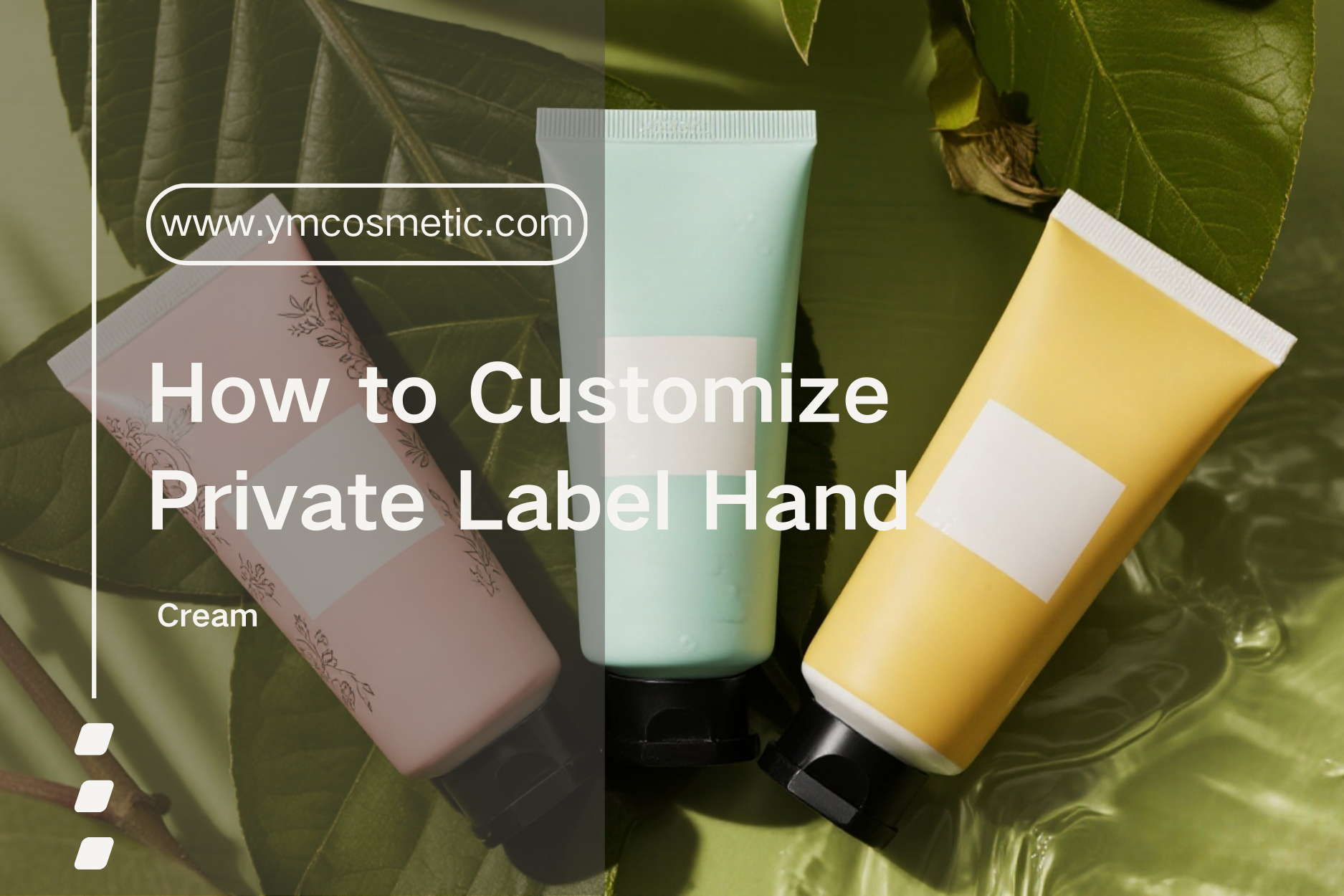
In the competitive beauty market, customizing hand cream has emerged as a popular trend, allowing businesses and individuals to create unique products that stand out. This article will guide you through the key aspects of customizing hand cream, covering fragrance, texture, packaging design, and more. Whether you're a brand looking to launch a new product line or an individual seeking a personalized touch, this guide will provide valuable insights.
1.Hand Cream Fragrance Selection
The fragrance of hand cream plays a crucial role in the user experience. It can evoke emotions, create a sense of luxury, and leave a lasting impression. When customizing the fragrance, consider the following:
Popular Fragrance Categories
Hand Cream Floral Fragrances: Rose, lavender, jasmine, and chamomile are classic floral scents. Rose offers a luxurious and romantic aroma, while lavender is known for its calming properties. Chamomile is gentle and suitable for sensitive skin.
Hand Cream Fruit Fragrances: Citrus scents like lemon, orange, and grapefruit are refreshing and energizing. Berry scents such as strawberry, blueberry, and raspberry are sweet and appealing.
Hand Cream Woody and Oriental Fragrances: Sandalwood, cedarwood, and patchouli provide a warm, earthy aroma. Oriental scents with spices like cinnamon, vanilla, and cloves are rich and indulgent.
Hand Cream Custom Blend
For a truly unique product, consider creating a custom fragrance blend. Combine different essential oils or fragrance compounds to achieve a one-of-a-kind scent. For example, a blend of lavender and peppermint can offer a refreshing and relaxing aroma.
Allergen and Skin Sensitivity Considerations
When choosing a fragrance, it's essential to consider potential allergens and skin sensitivities. Some individuals may be allergic to certain essential oils or fragrance ingredients. Conduct patch tests on a small group of people before finalizing the fragrance.

2.Hand Cream Texture Customization
The texture of hand cream significantly impacts how it feels on the skin and its effectiveness. Here are the main texture options and how to customize them:
Creamy Texture
A creamy texture is rich and luxurious, providing intense moisture. It's ideal for dry and rough hands. To create a creamy hand cream, use ingredients like shea butter, cocoa butter, and beeswax. Adjust the ratio of these ingredients to control the creaminess. For example, more shea butter will result in a thicker, creamier texture.
Gel Texture
Gel-based hand creams are lightweight, fast-absorbing, and suitable for oily or combination skin. They give a 清爽 feeling without leaving a greasy residue. To formulate a gel texture, use ingredients like aloe vera gel, hyaluronic acid, and glycerin. You can also add thickeners like xanthan gum to achieve the desired consistency.
Lotion Texture
Lotions are a popular choice as they offer a balance between moisture and lightness. They are suitable for daily use on normal to slightly dry skin. To create a lotion texture, combine water-soluble ingredients with a small amount of oil. Emulsifiers like cetearyl alcohol and polysorbate 20 help blend the oil and water phases. Adjust the ratio of oil to water to control the thickness of the lotion.

3.Hand Cream Packaging Design
The packaging of hand cream is not only a means of containment but also a powerful marketing tool. Here are the key elements to consider in packaging design:
Container Type
Hand Cream Tubes: Tubes are convenient, easy to use, and portable. They are available in various sizes and materials, such as plastic and aluminum. Plastic tubes are lightweight and cost-effective, while aluminum tubes offer better protection against air and light.
Hand Cream Jars: Jars come in different shapes and sizes and can give a more luxurious look. They are suitable for thicker hand creams. Glass jars are popular for their eco-friendliness and ability to preserve the product's quality. However, they are heavier and more fragile compared to plastic jars.
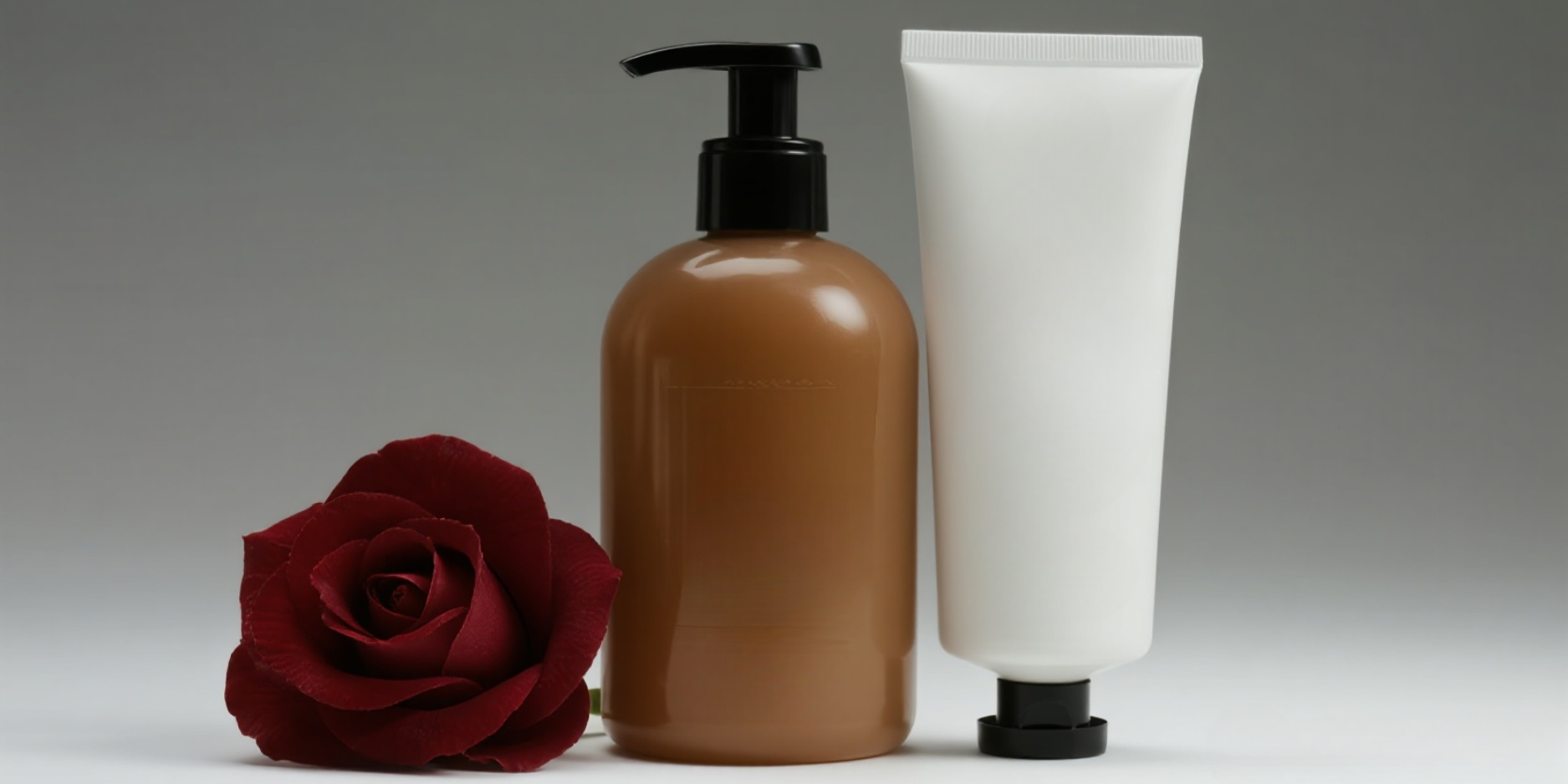
Hand Cream Bottles with Pumps: Bottles with pumps are convenient for dispensing the right amount of product. They are suitable for lotions and lighter-textured hand creams. You can choose from different pump designs, such as continuous pumps and foam pumps.
4.Hand Cream Private Label Design
The label is where you can showcase your brand identity and product information. Use high-quality printing to ensure the label looks professional. Include the following information:
Hand Cream Brand Name and Logo: Make them prominent and eye-catching.
Hand Cream Product Name: Clearly state what the product is.
Hand Cream Ingredients List: List all the ingredients in descending order of concentration.
Hand Cream Usage Instructions: Provide clear instructions on how to use the hand cream.
Hand Cream Benefits and Claims: Highlight the key benefits of the product, such as moisturizing, anti-aging, or soothing properties.
Hand Cream Contact Information: Include your website, email, or phone number for customers to reach out.

5.Custom Hand Cream Packaging Options
Hand Cream Printing and Embossing: Add a personal touch by printing your logo, brand name, or unique designs on the packaging. Embossing can create a raised, textured effect that adds a luxurious feel.
Hand Cream Color and Finish: Choose colors that match your brand identity and evoke the desired emotions. You can also opt for different finishes, such as matte, glossy, or metallic, to make the packaging stand out.
Hand Cream Sustainable Packaging: With the increasing demand for eco-friendly products, consider using sustainable packaging materials. Recycled plastic, biodegradable materials, and glass are great options.

6.Customization Hand Cream Process
To successfully customize hand cream, follow these steps:
Define Your Goals
Determine your target market, brand identity, and product goals. Are you targeting a specific age group, gender, or skin type? What unique selling points do you want your hand cream to have?
Research and Source Ingredients
Look for reliable suppliers of high-quality ingredients. Consider factors such as purity, sustainability, and cost. Request samples of ingredients to test their quality and compatibility.
Work with a Formulator or Manufacturer
Find a reputable formulator or manufacturer with experience in hand cream production. Share your requirements, including fragrance, texture, and packaging design. They can help you develop a formula that meets your specifications and ensure product safety and stability.

Test and Refine
Before mass production, test the hand cream samples. Evaluate the fragrance, texture, absorption, and overall performance. Collect feedback from a small group of target consumers and make necessary adjustments.
Finalize Packaging and Branding
Once you're satisfied with the product, finalize the packaging design and branding. Ensure that the packaging is functional, attractive, and compliant with relevant regulations.
Production and Quality Control
Place your order with the manufacturer and closely monitor the production process. Implement strict quality control measures to ensure that each batch of hand cream meets your high standards.

7.Conclusion
Customizing hand cream allows you to create a product that meets the specific needs and preferences of your target market. By carefully considering fragrance, texture, packaging design, and following the customization process, you can develop a unique and successful hand cream product. Whether you're a beauty brand looking to expand your product line or an individual with a passion for skincare, custom hand cream offers endless possibilities. Start exploring the world of hand cream customization today and create a product that stands out in the market.
Ready to Create Your Unique Cosmetic Line










OEM/ODM PRODUCT
Contact Us
Company Phone/Fox:+86-20-87710380
Office ADD: 3rd Floor, Building 1, Kemulang Park, Tianhe Software Park,Guangzhou, China
Factory #1ADD: Building B (Room101-501),Shuikou Village,Tianhe District, Guangzhou,China
Factory #2ADD: Room 401, Building 1, Kangze 5th Road, Baiyun District, Guangzhou, China
Get in Touch – We’re Here to Help !
Copyright © 2025 GUANGZHOU YUNMEI COSMETICS Co., Ltd All Rights Reserved.